Wood burning stove installation cost depends on the stove, flue, chimney and labour. Learn what affects pricing and how to budget with confidence.

A stove can look like a simple purchase until the quotation lands and the figures vary far more than expected. That is usually because stove installation cost is not just the price of fitting an appliance into an existing fireplace. It is the cost of making the whole system safe, compliant and suitable for long-term use.

For most homeowners, the real question is not simply, “How much does installation cost?” It is, “What am I actually paying for, and why do some jobs cost so much more than others?” Once you understand what sits behind the numbers, quotations become much easier to compare.

What affects stove installation cost?

The biggest influence on stove installation cost is the condition of the property and the route needed to install a safe working flue system. Two homes can choose the same stove and still receive very different quotations because one has a sound existing chimney and fireplace opening, while the other needs a new liner, building work and ventilation.

The appliance itself is only one part of the project. A proper installation may include a flue liner, register plate, hearth work, chimney components, connection pipe, carbon monoxide alarm, commissioning and certification. If the chimney needs attention, costs rise again. If there is no usable chimney at all, a twin wall insulated flue system may be required, which changes the budget considerably.

Labour also varies according to complexity. A straightforward installation into an existing opening is very different from opening up a blocked fireplace, altering the chamber, creating a compliant hearth or routing a flue through multiple levels of the house.

Typical price ranges for a wood burning stove installation

As a broad guide, a relatively straightforward wood burning stove installation in the UK often starts from around the low thousands once the stove, liner and standard fitting materials are included. More involved installations can move well beyond that, particularly where structural work, chimney repairs or a full twin wall flue system are needed.

That is why headline prices can be misleading. An online figure may only refer to labour for fitting, or the stove alone, without allowing for the parts and site-specific work that make the installation compliant. A realistic budget should always consider the complete package rather than one isolated cost.

When customers ask for a ballpark figure, the honest answer is that there is a range for good reason. A fixed price quotation after a site survey is usually the most reliable way to understand what your home actually needs.

The main elements included in stove installation cost

The stove itself

Stove prices vary by size, output, style and manufacturer. A compact wood burner for a smaller room will usually cost less than a larger model designed for open-plan living spaces. Design features, brand reputation and efficiency ratings also affect the price.

Choosing purely on appearance can be expensive later if the output is wrong for the room. An oversized stove can make a space uncomfortably hot, while an undersized model may struggle. Good advice at the selection stage helps avoid paying for the wrong appliance.

Flue liner or flue system

In many chimney installations, a flexible flue liner is a core part of the job. This helps the stove perform properly and supports safer operation. The height of the chimney, access to the roof and the grade of liner used all affect cost.

Where there is no suitable chimney, a twin wall insulated system may be necessary. This can be routed internally or externally, but either option is usually more expensive than lining an existing chimney.

Hearth and fireplace opening

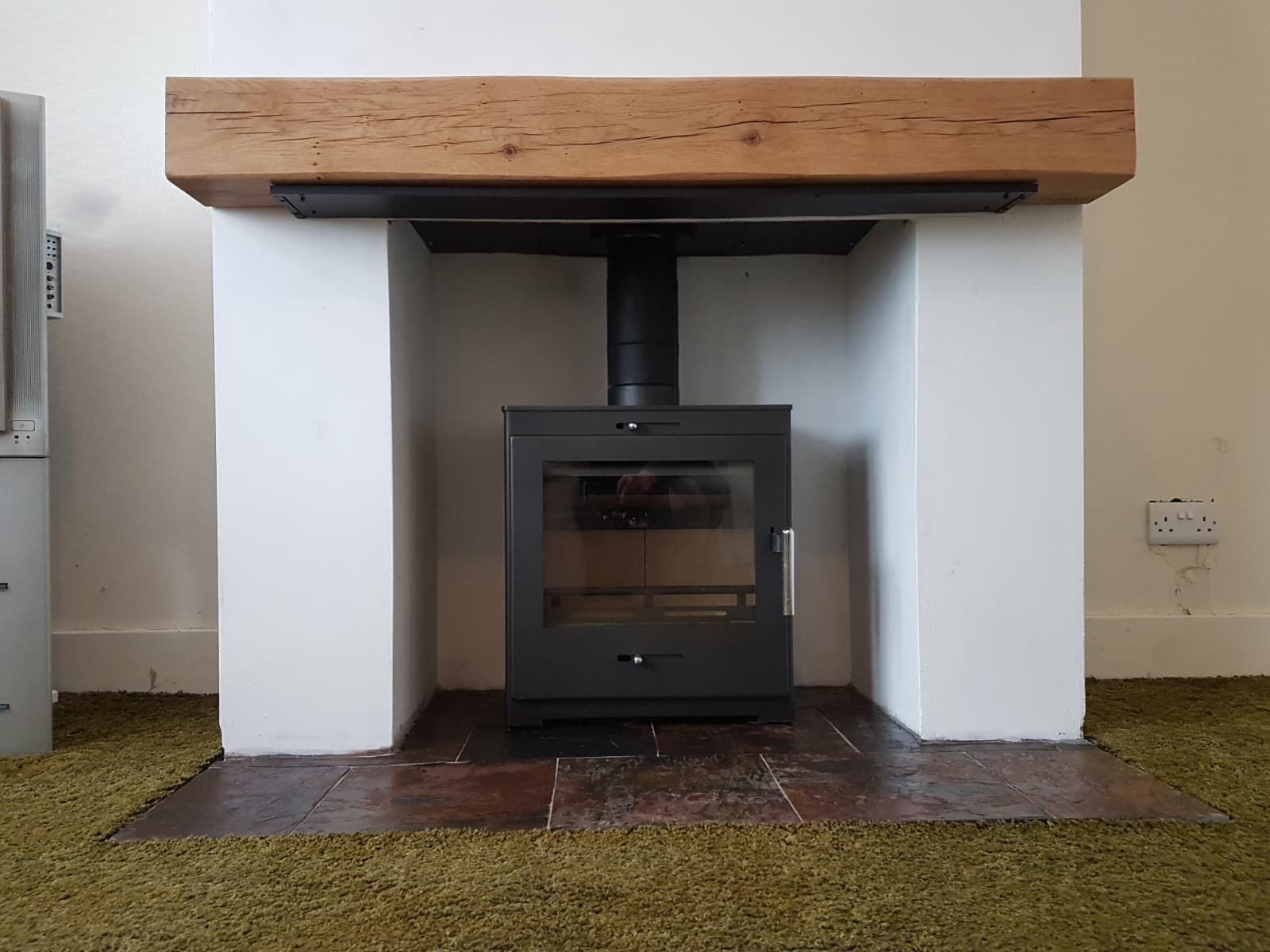
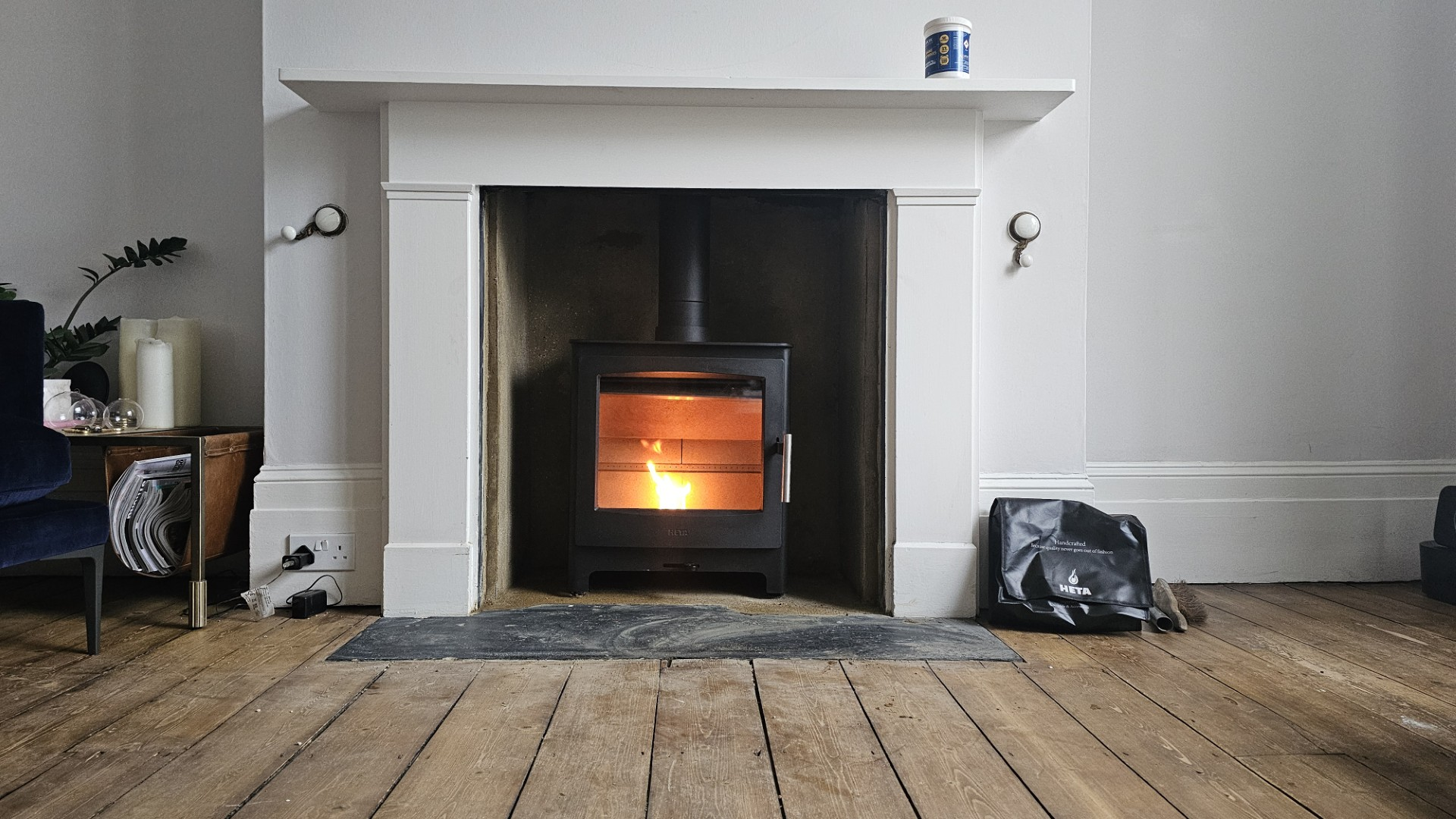
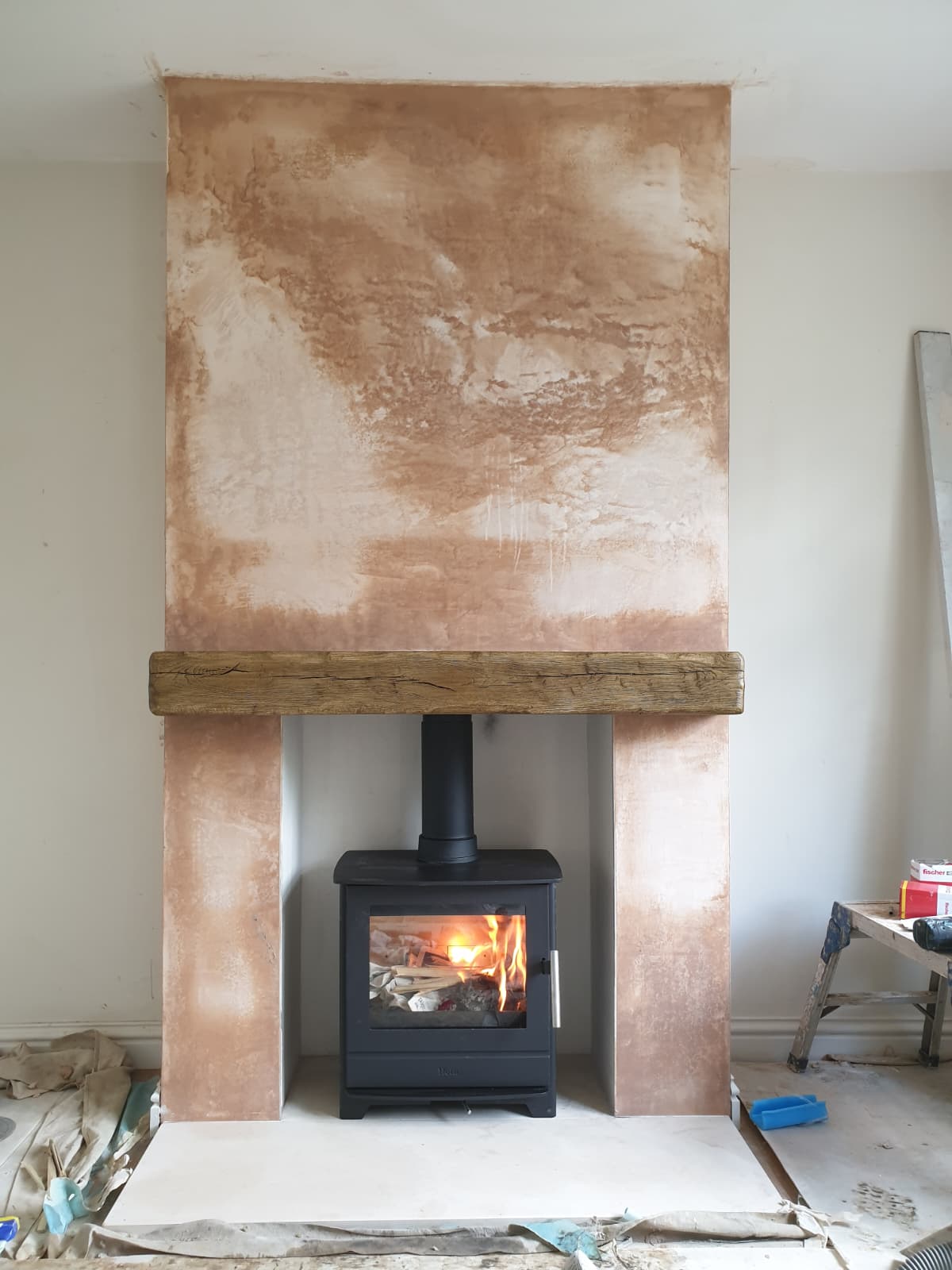
Some properties already have a suitable fireplace opening and hearth. Others need remedial work to meet current requirements. That might include enlarging the opening, fitting a new hearth, rendering the chamber or carrying out general making-good work once the stove is in place.

These are not decorative extras. They are often part of achieving a safe and compliant finish.

Labour, commissioning and certification

A professional installation includes more than fitting the stove and leaving. The appliance should be commissioned, checked for safe operation and signed off correctly. For homeowners, this matters not only for peace of mind but also for insurance and future property sale documentation.

A HETAS-approved installer provides reassurance that the work is being carried out to recognised standards. That is a meaningful part of the value, not simply a badge on a van.

Why one quotation can be much cheaper than another

If you receive two very different prices, the cheapest is not automatically the best value. Sometimes the difference comes from product quality. Sometimes it comes from what has been left out.

One quotation may include site survey, chimney liner, all components, hearth adjustments, commissioning and certification. Another may appear cheaper because it excludes scaffolding if needed, chimney cowl, making-good work, or even VAT. There are also installers who price optimistically before they have properly assessed the property, which can lead to awkward add-ons later.

This is where a specialist company has an advantage. A detailed survey and fixed quotation reduce surprises. That is particularly valuable in older homes, where chimneys and fireplaces often hide issues that are not obvious from a quick glance.

Stove installation cost in older and period properties

Many homes in Windsor, Eton and surrounding areas have character fireplaces, older chimney breasts and construction details that deserve careful handling. These properties can be excellent candidates for wood burning stoves, but installation costs can be less predictable if the fireplace has been closed off for years or the chimney has deteriorated.

Common issues include crumbling flaunching, poor chimney draw, oversized openings, damaged brickwork and the need for ventilation. None of these automatically make the project unsuitable, but they do affect pricing. The right approach is to assess the property properly rather than guess.

This is also where experience matters. A specialist installer can often advise on a solution that keeps the finished result sympathetic to the property while still meeting current regulations.

Is it cheaper to install a stove where a chimney already exists?

Usually, yes, but not always by as much as homeowners expect. An existing chimney can reduce the need for a full external flue system, which is often one of the bigger expenses. Even so, the chimney still needs to be suitable for use with a stove.

An old chimney may require lining, sweeping, repairs and checks to confirm it is safe. If access is awkward or the stack is tall, labour can also increase. So while an existing chimney is often an advantage, it is not a guarantee of a low-cost installation.

How to budget sensibly for a stove project

The most practical way to budget is to think in terms of total installed cost rather than splitting the stove from the installation. That means allowing for the appliance, flue components, any building work, installation labour and certification together.

It also helps to be clear about priorities. If visual impact is the main goal, you may choose to spend more on the stove design and fireplace chamber finish. If heating performance is the priority, your budget may be better directed towards the right output, a quality liner and careful installation. Both approaches can be right, but they lead to different decisions.

A survey is especially useful if you want to avoid false economy. Spending slightly more upfront on the correct specification is often cheaper than correcting poor performance or remedial work later.

A few questions worth asking before you accept a quotation

Ask whether the price includes all necessary components, commissioning and certification. Ask whether any building work or making-good is excluded. Ask what assumptions have been made about the chimney and whether additional access equipment might be required.

It is also sensible to ask who is actually carrying out the installation and whether they are qualified to self-certify the work. A proper answer should feel clear and reassuring, not vague.

For homeowners who want the process handled properly from first survey to final handover, working with a specialist retailer and installer such as Windsor and Eton Stoves Ltd can make the cost easier to understand because the quotation reflects the real job, not just the sale of a stove.

What matters more than the lowest price

The right stove should heat the room properly, suit the property and be installed to a standard you do not have to worry about. That is what you are really buying. Stove installation cost matters, of course, but so does accuracy of quotation, quality of workmanship and confidence that the system has been fitted safely.

A well-installed stove should feel like a long-term improvement to your home, not a compromise you end up revisiting. If a quotation is clear, compliant and based on a proper survey, you are usually looking at a far better investment than a tempting price that leaves too many questions unanswered.

The best next step is always a proper assessment of the property, because once the installation is designed around your home, the numbers start to make sense.

By Admin

Share:

Just added to your wishlist:
My Wishlist
You've just added this product to the cart:
Go to cart page