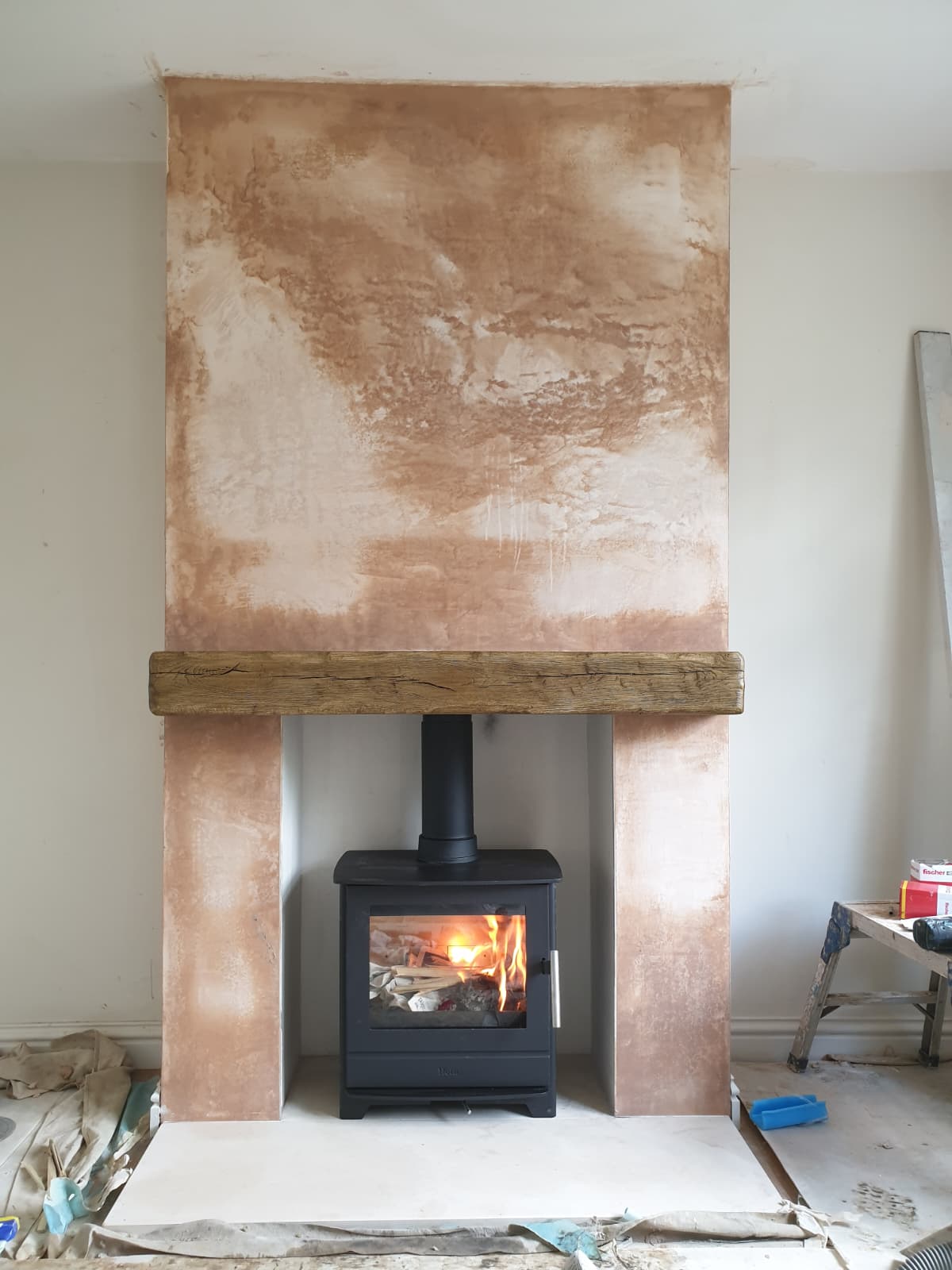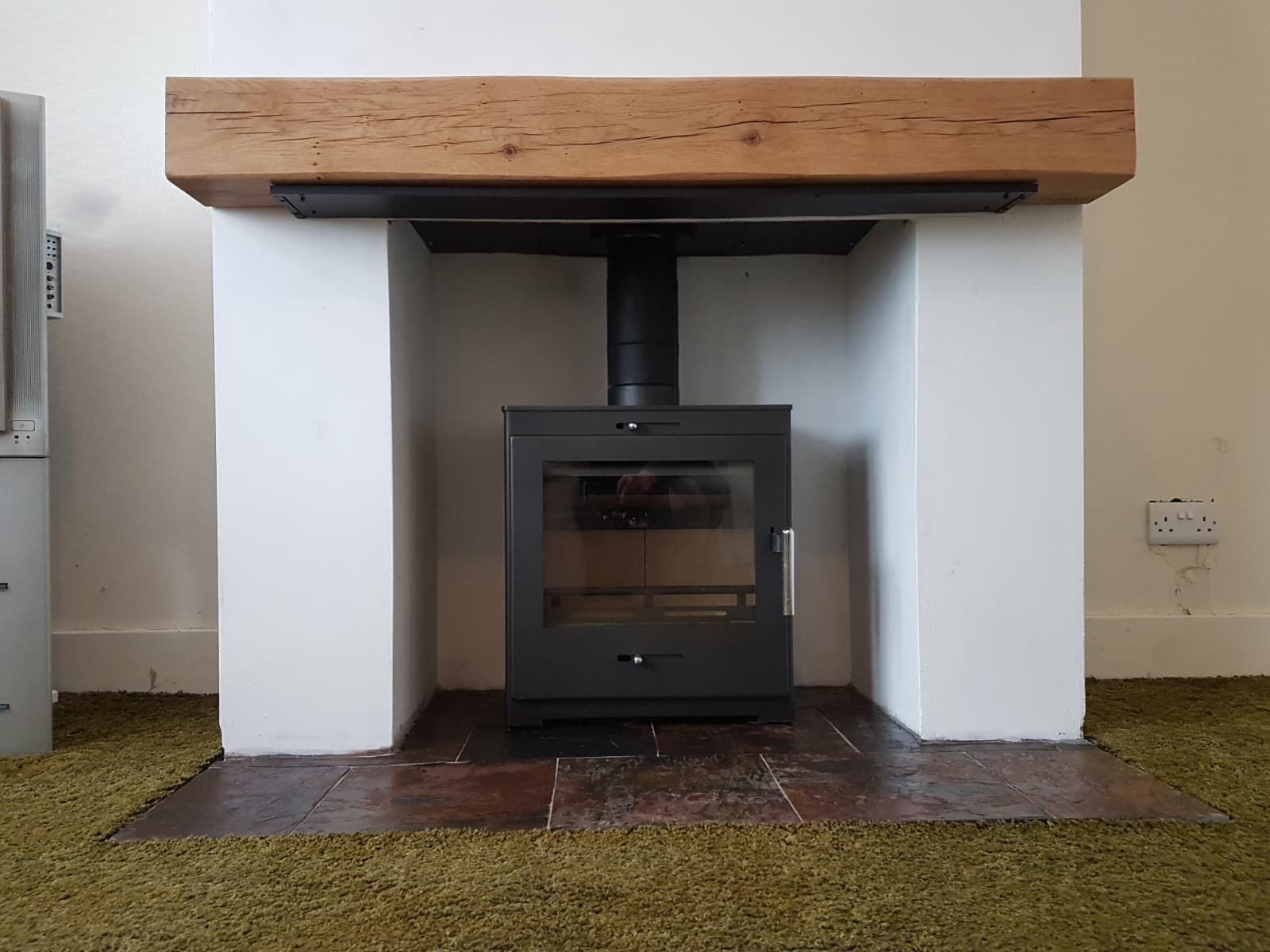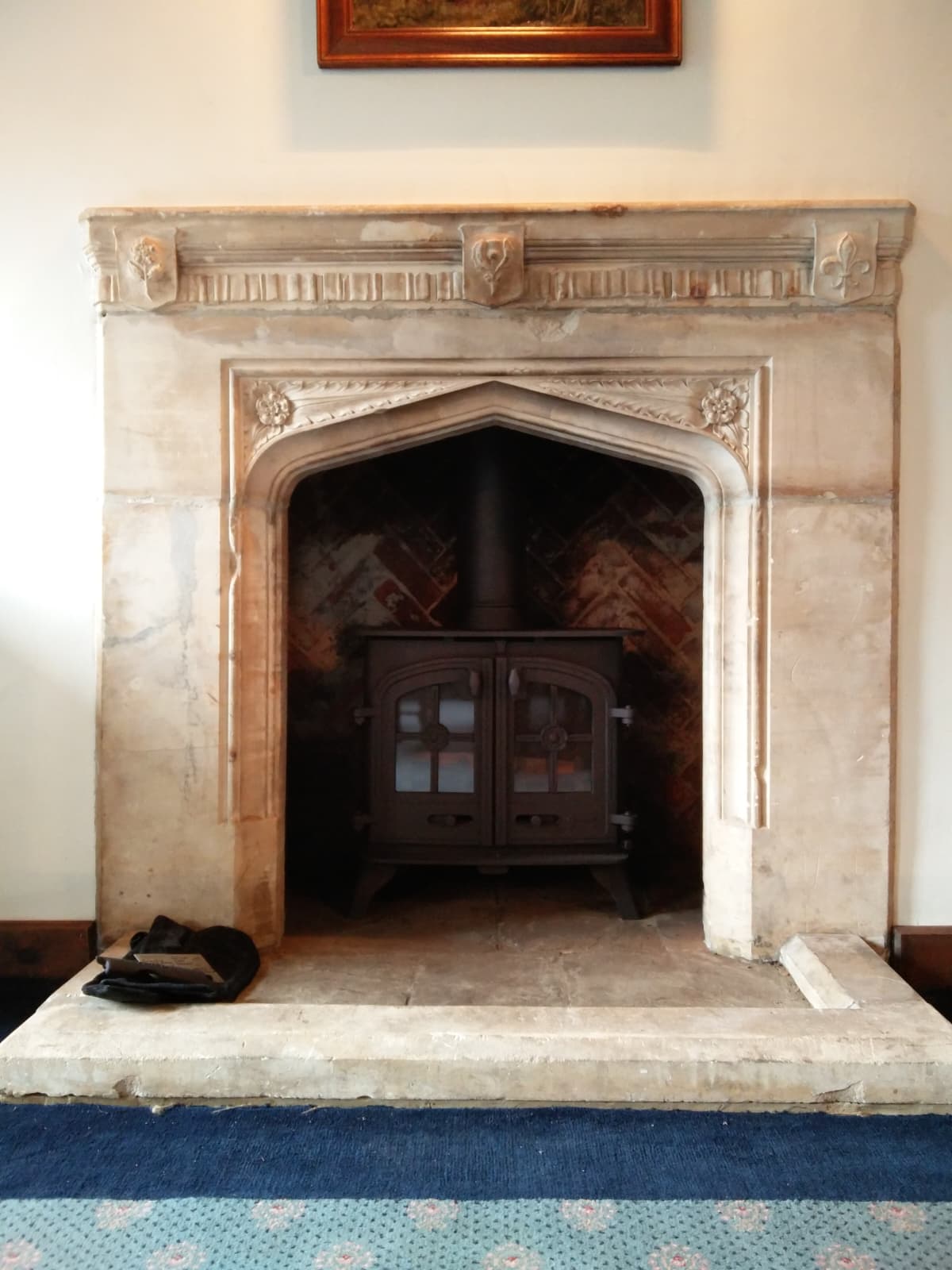
Can you install log burner appliances yourself? Learn the UK rules, safety risks, flue requirements and when to use a HETAS installer.

That question usually comes up just after someone has chosen the stove style they like and started imagining winter evenings in front of it. But can you install log burner appliances yourself and simply connect everything up? In some cases, a householder can carry out the work, but that does not mean it is straightforward, low risk, or the best route.

A wood burning stove is not like swapping a radiator or fitting a shelf. It involves heat clearances, chimney and flue performance, hearth construction, ventilation, carbon monoxide protection and Building Regulations compliance. If any one of those parts is wrong, the result can be poor performance at best and a serious safety issue at worst.

Can you install log burner appliances yourself in the UK?

The short answer is yes, sometimes, but only if the installation fully complies with Building Regulations. In the UK, a log burner installation must meet the relevant standards for combustion appliances, flues, hearths and air supply. If you are not using a registered competent person such as a HETAS installer, you will usually need to apply through local authority Building Control so the work can be inspected and approved.

That is the point many homeowners underestimate. The question is not only whether you can physically place a stove in the fireplace opening or connect a flue pipe. It is whether the full installation can be signed off as safe and compliant.

For many households, especially those upgrading an existing fireplace or fitting a stove into a room that has never had one, the practical answer is that professional installation makes far more sense. It removes guesswork, reduces delays and gives you proper certification for insurance and future house sales.

Why log burner installation is more technical than it looks

From a distance, a stove installation can appear fairly simple. There is a stove, a hearth and some form of flue. In reality, every property introduces variables.

The existing chimney may be sound, oversized, unlined, partially blocked or unsuitable for the type of appliance being fitted. The fireplace recess may not provide the correct clearances from combustible materials. The room may need additional ventilation depending on the stove output and property construction. Even the hearth dimensions and height above floor level can become important.

Then there is stove sizing. A unit that is too large for the room can lead to overheating, slumbering and dirtier burning. One that is too small may struggle to heat the space properly. Good installation starts before any fitting work begins. It starts with a proper site survey and an honest assessment of what the property can safely accommodate.

The legal and compliance side

If you are asking can you install log burner systems without professional help, you also need to ask how the installation will be certified.

In most domestic situations, the work must comply with Approved Document J of the Building Regulations. A HETAS-registered installer can self-certify the installation and provide the appropriate paperwork. If you carry out the work independently, Building Control approval is normally required.

That certification matters. Mortgage valuers, home buyers and insurers may all ask for proof that the stove was installed correctly. If there is no certificate, it can create complications later, particularly when selling a property.

It is also worth remembering that appliance instructions form part of the compliance picture. Each manufacturer sets minimum distances to combustibles, flue diameter requirements and installation conditions. A stove that is installed in a way that contradicts those instructions is not properly installed, even if it looks neat when finished.

Common risks with DIY stove installation

The main issue with DIY fitting is not effort. It is hidden error.

A flue liner might be the wrong grade or diameter. The chimney draw may be poor. The register plate may be poorly sealed. The hearth may be undersized. The distance from the stove pipe to nearby timber may be unsafe. Ventilation may be insufficient for efficient combustion. Carbon monoxide alarms may be missing or badly positioned.

Some faults show up quickly. Smoke may spill into the room, the fire may be difficult to light, or the glass may blacken unusually fast. Others are less obvious and more serious, including heat damage inside chimney voids or dangerous leakage of combustion gases.

This is why experienced installers spend time assessing the whole system, not just the appliance itself. A quality installation is about safe operation over many years, not simply getting the stove working on day one.

When a professional installer is the better option

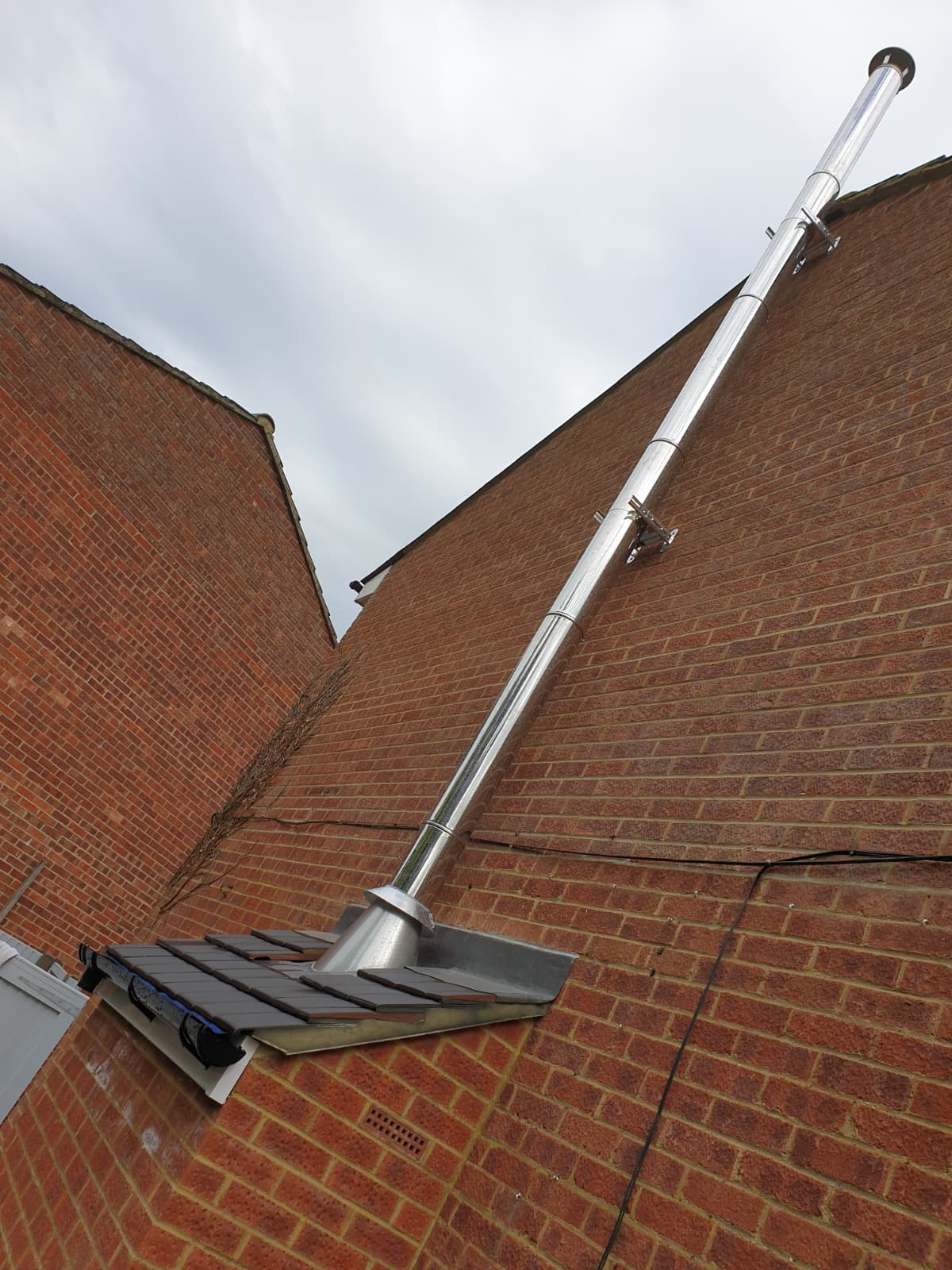
For most homeowners, professional fitting is the safer and more economical route once everything is considered. That is particularly true if the property needs a flue liner, chimney work, a new hearth, a twin wall flue system, alterations to the fireplace opening or advice on the right stove output.

A specialist installer will usually identify issues before they become expensive mistakes. That includes spotting whether an existing chimney breast needs attention, whether the room requires extra ventilation, and whether the chosen stove is suitable for the size and layout of the space.

This is also where a proper site survey adds real value. Instead of ordering a stove and hoping it will fit, the homeowner gets a realistic specification, a clear explanation of the work involved and a quotation based on the actual property rather than rough assumptions.

In areas such as Windsor, Maidenhead and Ascot, where housing stock varies from period cottages to newer family homes, that kind of tailored advice matters. No two installations are exactly the same.

What happens during a proper log burner installation?

A professional installation normally begins with surveying the property and confirming the appliance, output and flue route. The installer will assess the chimney or external flue options, the construction of the recess, hearth requirements and any ventilation needs.

On installation day, the work may include preparing the fireplace opening, fitting or connecting the flue system, installing a chimney liner where required, making good the chamber, fitting the stove, carrying out smoke testing and checking that the appliance is operating correctly. The final stage is certification and customer guidance on first use, fuel choice and ongoing maintenance.

That last part is often overlooked. Even the best stove will disappoint if it is used with wet wood, poor firing habits or neglected sweeping intervals. A good installer does not simply fit the appliance and leave. They help set the customer up for safe, efficient use.

Cost versus value

Some people ask can you install log burner systems yourself because they hope to save money. That is understandable, but the cheapest route on paper is not always the least expensive outcome.

If DIY work leads to failed inspection, remedial chimney work, replacement parts or a non-compliant installation that has to be redone, costs rise quickly. There is also the value of certainty. A fixed-price quotation from a specialist installer gives homeowners a much clearer picture of the total investment.

There are, of course, cases where a relatively simple installation in an existing suitable fireplace may be more straightforward than others. Even then, compliance and certification still need to be handled correctly. The question is not only how much the fitting costs, but how confident you want to be in the result.

Questions worth asking before you go ahead

Before any stove is ordered, it helps to know whether the chimney is usable, whether the fireplace opening is the right size, whether the room needs ventilation, what hearth changes may be required and how the installation will be certified. These points affect both price and practicality.

It is also wise to ask whether the stove is genuinely suited to the room. Many homeowners are drawn to appearance first, but output, efficiency and flue compatibility are just as important. A good installer should be willing to explain the trade-offs clearly rather than simply selling the most expensive model.

For a company such as Windsor and Eton Stoves Ltd, that is where the combination of product knowledge and installation expertise makes a difference. It gives homeowners one point of contact from survey through to fitting and aftercare, which tends to make the whole process far more reassuring.

So, can you install log burner equipment yourself?

Legally, there are situations where you can. Practically, it depends on your technical knowledge, your willingness to deal with Building Control, and whether you can guarantee a safe, compliant installation from hearth to terminal. For most homeowners, especially those wanting a long-term heating upgrade rather than a risky project, specialist installation is the more sensible choice.

A stove should bring warmth, efficiency and enjoyment to your home, not uncertainty. If there is any doubt about the chimney, the flue design, the regulations or the appliance itself, getting expert advice early is usually the smartest step you can take.

By Admin

Share:

Just added to your wishlist:
My Wishlist
You've just added this product to the cart:
Go to cart page