You have no items in your shopping cart.
A stove that burns through logs too quickly, leaves the room oddly underheated, or blacks up the glass every few days is usually telling you something. In most cases, the appliance itself is not the only issue. If you are wondering how to improve stove efficiency, the answer usually comes down to fuel quality, airflow, correct sizing, and the condition of the flue.
For homeowners investing in a wood-burning stove, efficiency matters for more than fuel bills. A stove that runs well gives steadier heat, a cleaner flame picture, less soot, and a more enjoyable living space. It also tends to place less strain on components over time. The good news is that meaningful improvements are often straightforward, provided the stove is being used as part of a properly designed and maintained system.
How to improve stove efficiency starts with fuel
The first thing to check is the wood you are burning. Even a high-quality stove will perform poorly if the logs are damp. Wet or partially seasoned wood wastes energy because much of the heat is spent driving off moisture before the fuel can burn properly. That means lower room heat, more smoke, and heavier deposits in the flue.
For best results, use properly seasoned or kiln-dried logs with a low moisture content. The difference is usually obvious in day-to-day use. Dry logs light more easily, burn more cleanly, and produce a livelier flame with less residue. If your stove seems sluggish and the glass darkens quickly, fuel quality is one of the first things worth reviewing.
Log size matters too. Very large logs can be slow to catch and may smoulder if the firebox is not hot enough. Very small pieces burn quickly and can make the stove harder to control. A well-balanced load suited to the stove's firebox will normally give the best combination of warmth, flame control, and burn time.
Airflow makes a bigger difference than many people expect
A stove needs the right amount of air in the right place at the right time. Too little air, and the fire becomes lazy, smoky, and inefficient. Too much, and the fuel burns faster than necessary, sending useful heat up the flue instead of into the room.
Many homeowners reduce the air supply too early in an effort to make logs last longer. In practice, that often has the opposite effect. The fire burns less cleanly, heat output drops, and the stove may soot up. It is usually better to establish the fire properly first, let the appliance reach operating temperature, and then adjust the controls gradually.
There is some trial and error here because different stove models behave differently, and chimney draught varies from one property to another. A stove in a period home with a tall chimney in Windsor or Ascot may respond quite differently from one in a more modern property with a shorter flue arrangement. The key is controlled combustion, not starving the fire.
Avoid slumbering your stove for long periods
Running a stove very low for extended periods can seem economical, but it often reduces efficiency and increases deposits in the appliance and flue. This is especially common in milder weather when only a little heat is needed. A better approach is often to burn smaller loads cleanly and at the correct temperature rather than trying to keep a heavily damped fire ticking over.
That is also kinder to the stove glass, baffle, and flue system.
The flue and chimney are part of the efficiency equation
People understandably focus on the stove itself, but the flue system has a direct effect on performance. If the draught is poor, the fire may struggle to establish, smoke may spill when refuelling, and combustion can remain incomplete. If the draught is excessive, the stove may burn too fiercely and use more fuel than necessary.
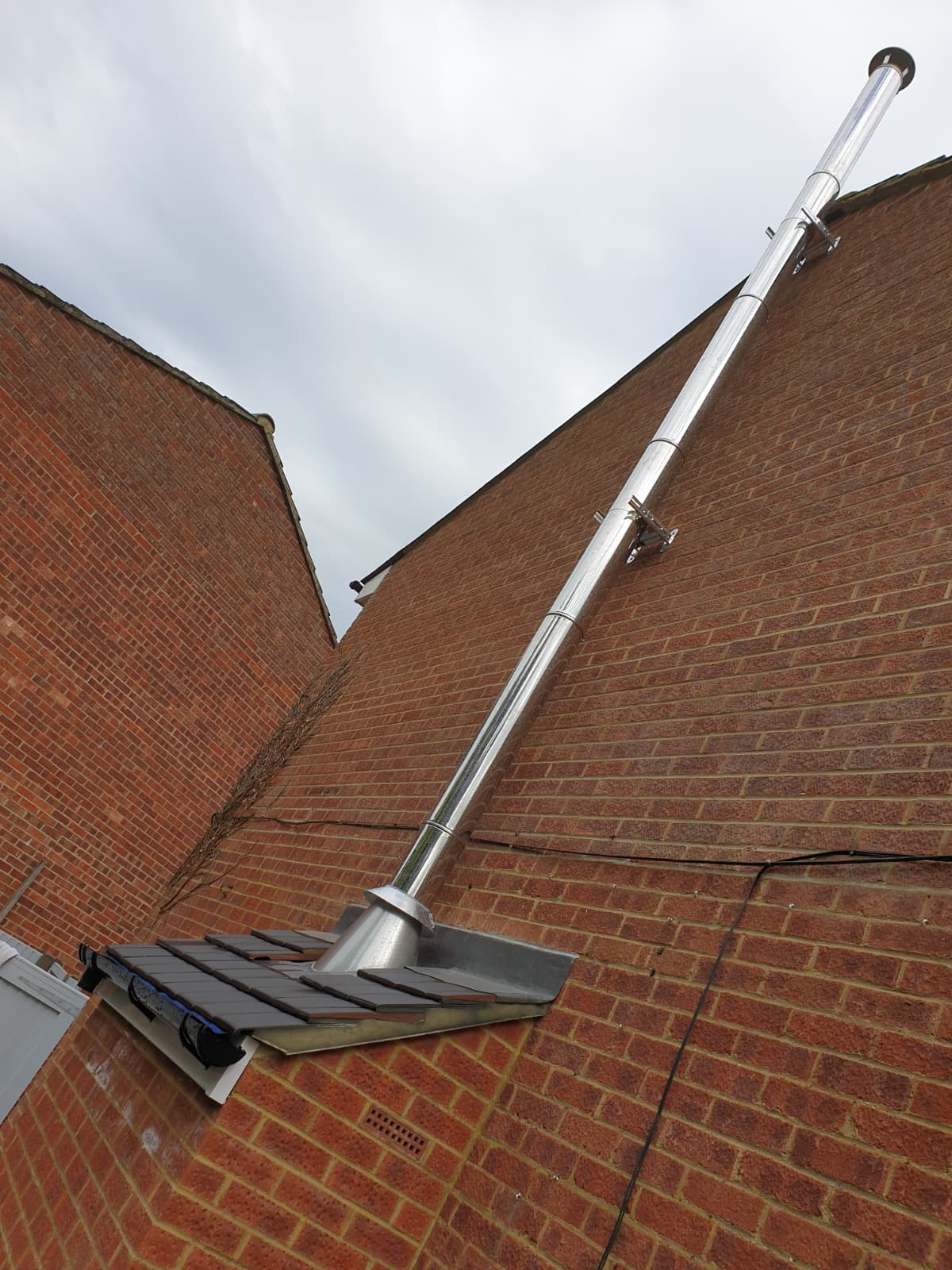
This is why installation quality matters. The right flue diameter, suitable liner, correct terminal arrangement, and overall setup all contribute to how efficiently the stove operates. An appliance can only perform as intended when it is matched to a sound chimney and fitted in line with current standards.
A blocked or heavily sooted flue will also reduce efficiency. Regular sweeping is not simply a maintenance formality. It supports safe operation, helps preserve draught, and allows the stove to burn more effectively. If your stove feels less responsive than it used to, or if lighting has become more difficult, the flue condition is worth checking.
Stove maintenance has a direct effect on heat output
Routine care makes a noticeable difference. A layer of ash can be useful in some stoves, but excessive ash restricts airflow around the fuel bed. Dirty internal components, worn rope seals, or damaged firebricks can also affect combustion and control.
Door seals are particularly important. If they have become loose or compressed over time, the stove may draw in uncontrolled air. That makes the fire harder to regulate and can reduce efficiency by causing the fuel to burn too quickly. Likewise, a damaged baffle plate can interfere with the intended path of combustion gases, limiting heat transfer before they exit via the flue.
The glass itself offers clues. Clearer glass usually points to better combustion. If it repeatedly turns black despite using dry wood and sensible operation, there may be an issue with airflow, fuel, or maintenance that needs attention.
Choosing the right stove size is one of the biggest factors
If you are replacing an existing appliance, this is where long-term efficiency is often won or lost. An oversized stove can lead to underfiring because the room becomes too hot before the appliance reaches its ideal working range. An undersized stove may be pushed too hard, which affects comfort and can shorten component life.
The best stove is not the biggest one that fits the fireplace opening. It is the one that suits the room, the insulation level of the property, the way you use the space, and the chimney or flue arrangement available. Open-plan layouts, older housing stock, and rooms with high ceilings can all alter the heat requirement.
This is one reason professional site surveys are so valuable. They help avoid a guesswork purchase and ensure the appliance is specified for both performance and compliance. A well-chosen stove should heat comfortably without constant adjustment or wasteful burning habits.
How to improve stove efficiency through better burning habits
Good operation is usually a series of small decisions rather than one major fix. Build the fire with dry kindling and suitable firelighters so that the flue warms quickly. Add logs before the fire has collapsed too far, rather than loading onto a weak bed of embers and then closing the air down. Refuel little and often if needed, especially during colder evenings when a steady heat is the goal.
It also helps to pay attention to the flame. A bright, active flame generally indicates healthier combustion than a dull, smoky burn. Every stove has its own character, but efficient burning tends to look clean and controlled rather than choked or excessively fierce.
If you have recently altered your routine and noticed poorer performance, think about what changed. A new log supplier, different fuel size, less frequent sweeping, or adjusting the controls more aggressively can all have an effect.
When professional advice makes the difference
Some efficiency issues are simple to correct, while others point to a setup problem that needs specialist input. Persistent smoke, difficulty controlling the fire, poor room heat despite high fuel use, or recurring soot deposits may indicate that the stove, flue, or ventilation arrangements need reviewing.
For homeowners planning a new installation, it is worth treating efficiency as part of the design from the outset rather than something to chase later. Proper appliance selection, a suitable flue system, compliant installation, and clear operating guidance all work together. That is where a specialist retailer and installer can add real value, because the stove is only one part of the heating picture.
At Windsor and Eton Stoves Ltd, we often find that customers get the best long-term results when the appliance, chimney arrangement, and room requirements are considered together, rather than as separate decisions.
A more efficient stove is not just about using fewer logs. It is about cleaner combustion, steadier comfort, safer operation, and getting the kind of performance you expected when you chose a wood-burning stove in the first place. If your stove is asking for too much fuel or giving too little warmth in return, a few informed changes can make the whole experience feel markedly better.