You have no items in your shopping cart.
Choosing a stove often looks simple until you get to the detail. The multi fuel vs wood stove question matters because the wrong choice can leave you with a fire that does not suit your home, your fuel preference or the way you actually live. For most homeowners, the best option is not the one with the longest feature list. It is the one that gives reliable heat, complies with current regulations and feels straightforward to use for years to come.
A stove is a long-term part of your home, not an impulse purchase. It affects chimney or flue requirements, servicing, day-to-day running and the character of the room. That is why it pays to look past appearances and understand how each type works in practice.
Multi fuel vs wood stove: the core difference
The main difference comes down to what the appliance is designed to burn. A wood-burning stove is built specifically for logs. A multi-fuel stove is designed to burn wood as well, but it can also burn approved smokeless mineral fuels.
That sounds like a small distinction, but it changes the internal design of the stove. A wood burner usually has a flat base or a bed of ash where logs sit and burn best with air circulating in a particular way, typically from above. A multi-fuel stove normally includes a grate and an ash pan underneath, because smokeless fuels need air coming up from below to burn effectively.
In real terms, if you know you only want to burn properly seasoned or kiln-dried logs, a dedicated wood-burning stove is often the cleaner and simpler choice. If you want the flexibility to use more than one authorised fuel type, a multi-fuel model may be worth considering.
How the choice affects everyday use
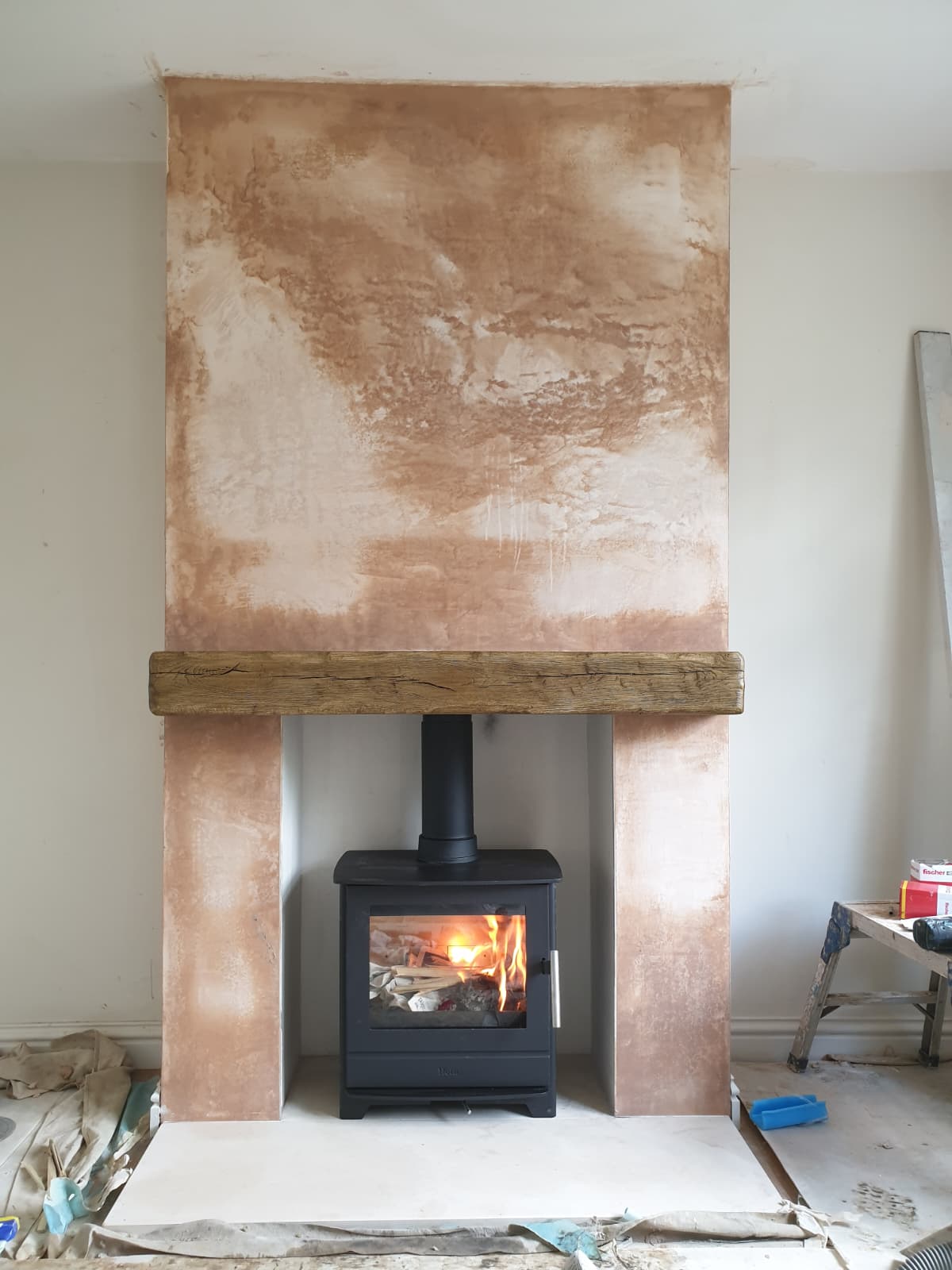
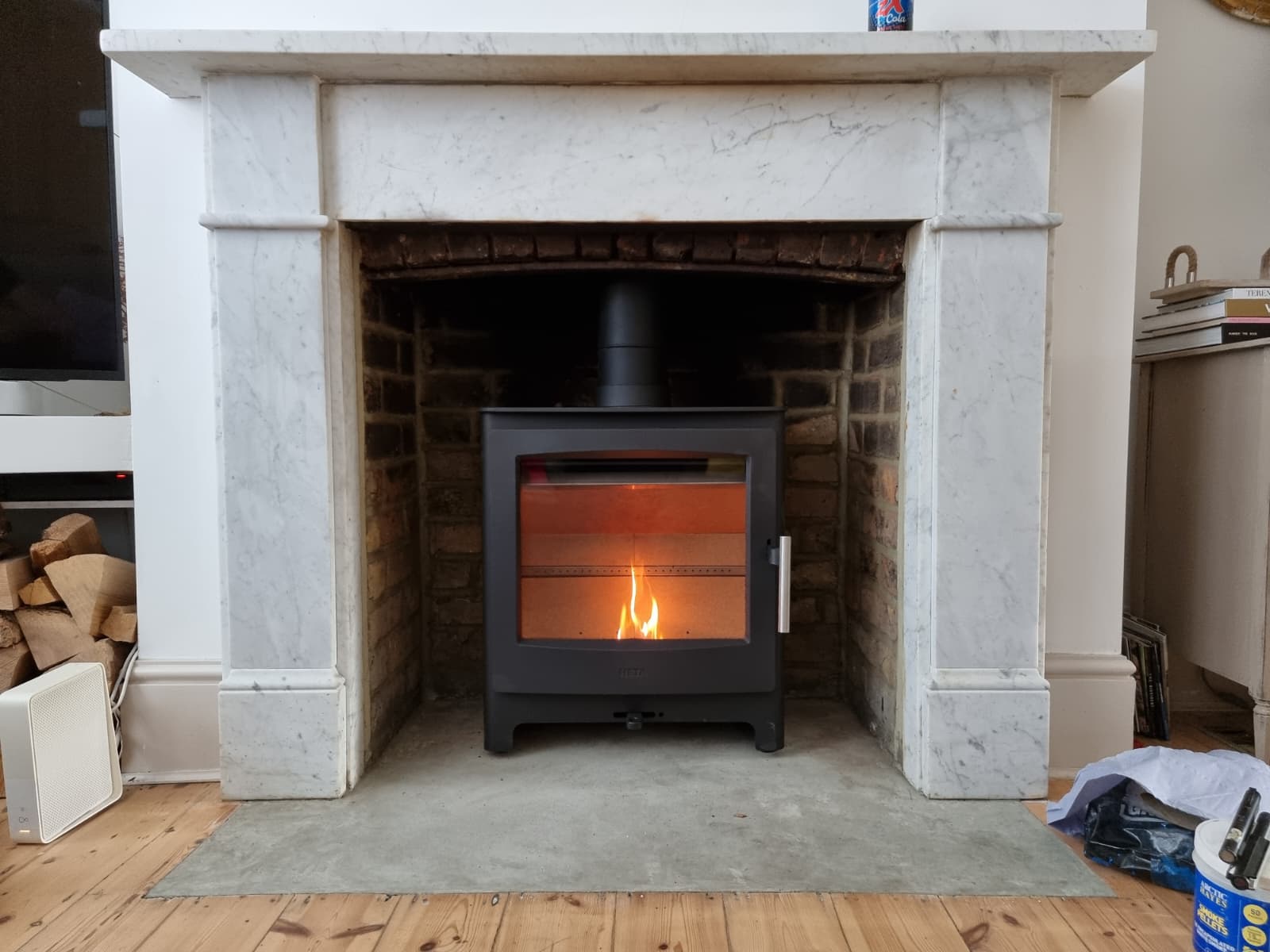
For many households, convenience is just as important as heat output. A wood stove tends to appeal to homeowners who want the traditional look and behaviour of a log fire. The flame picture is often a major part of that appeal. With the right dry logs, a quality wood burner gives a lively flame and a very natural feel in the room.
A multi-fuel stove can offer more flexibility if fuel availability changes or if you want longer-burning smokeless fuel at certain times. Some people like having that option during colder spells when a sustained burn is useful.
That said, flexibility is only useful if you genuinely need it. If your plan is to burn logs almost all the time, a wood-burning stove is usually the more straightforward fit. Many buyers are drawn to multi-fuel stoves because they sound more versatile, but in practice they still end up using wood exclusively.
Fuel supply and storage matter more than people expect
The right stove for your home often depends on what fuel you can store properly. Wood needs to be dry, with a moisture content suitable for stove use. If logs are poorly stored or not seasoned correctly, performance drops quickly. You get less heat, more smoke, more soot and a dirtier glass.
If you have space to store logs properly and you like the idea of using wood as your main fuel, a wood burner makes good sense. If storage is limited or you want the option of an alternative approved fuel, a multi-fuel stove may feel more practical.
This is one of those areas where the best answer depends on the household. A period property with a good log store and owners who enjoy laying and managing a fire may suit a wood-burning stove perfectly. A busy family home that wants a little more flexibility may lean towards multi-fuel.
Heat output and efficiency
There is no automatic winner on heat. In the multi fuel vs wood stove debate, heat output depends more on the specific model, the size of the appliance, the fuel being burned and how well it is matched to the room.
A stove that is too large for the space can be just as disappointing as one that is too small. Oversized appliances often end up being run low, which is not ideal for performance or cleanliness. Undersized stoves struggle to heat the room properly and can be pushed too hard.
Efficiency also varies by model rather than by category alone. Modern Ecodesign stoves, whether wood-burning or multi-fuel, are engineered to burn more cleanly and efficiently than older appliances. The important thing is to choose a quality stove that is correctly sized and correctly installed.
Maintenance and cleaning
Maintenance is another area where the differences are practical rather than dramatic. A multi-fuel stove with a grate and ash pan can make ash removal more straightforward when burning the fuels it was designed for. A wood-burning stove often has a simpler firebox arrangement.
However, both types need regular care. The glass will need cleaning from time to time, the flue will need sweeping, and the appliance should be serviced in line with manufacturer guidance. Burning the right fuel in the right way makes a significant difference to how much mess and residue you deal with.
Poor fuel is often the real cause of maintenance complaints. Wet wood, unsuitable fuels and incorrect operation create problems regardless of stove type.
Regulations and smoke control considerations
This is where professional advice becomes particularly valuable. In many parts of the UK, including built-up residential areas, smoke control rules can apply. That means your stove choice and your fuel choice both need to be considered carefully.
If you live in a smoke control area, you will need an appropriate appliance and you must burn authorised fuel or use the appliance in line with its exemption status. This is not something to guess at. The safest route is always to have the property assessed properly so the stove, flue system and intended fuel use are all checked together.
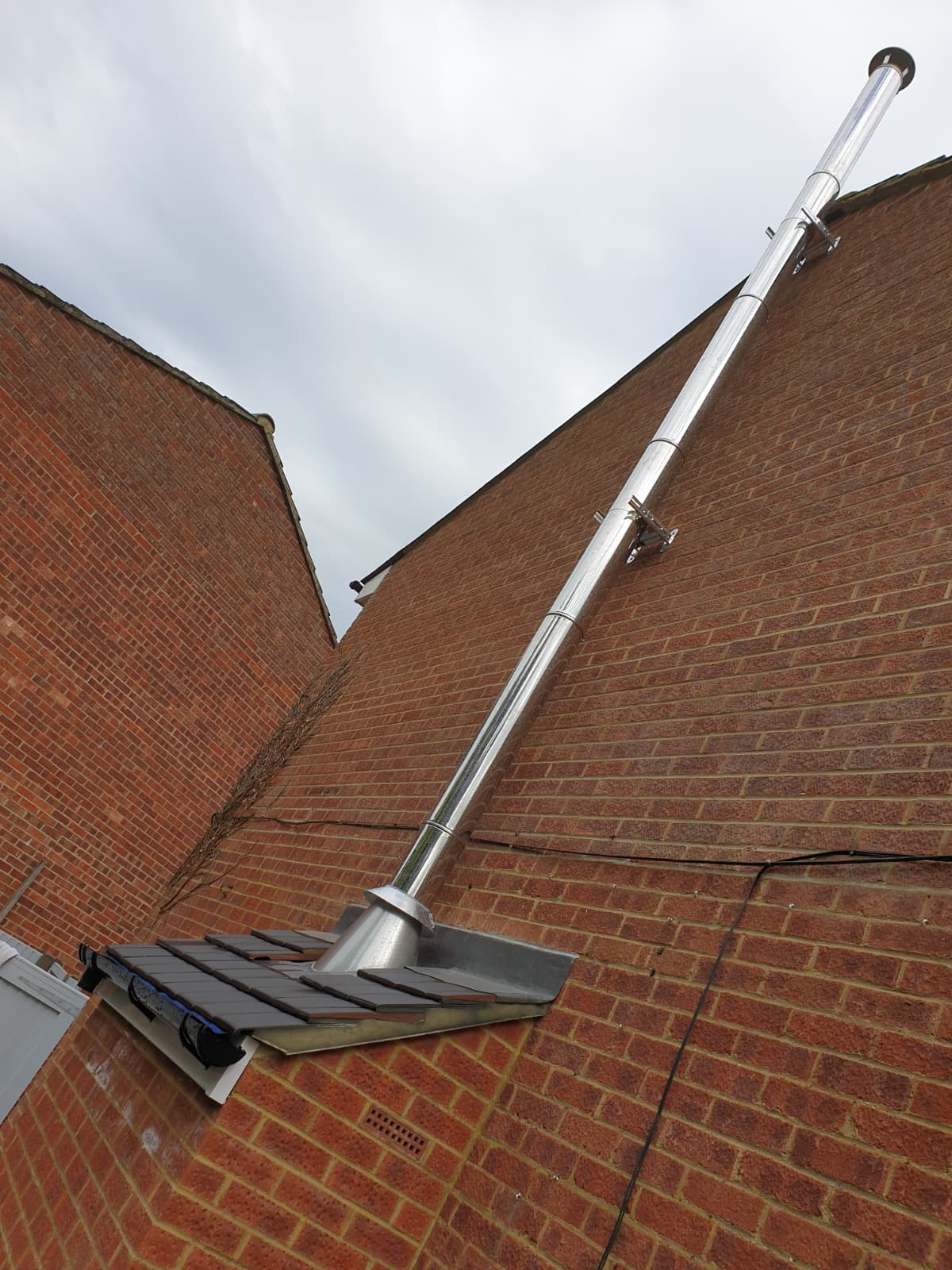
Homeowners comparing options often focus on the fire itself and overlook the installation side. Yet the chimney condition, liner requirement, hearth, air supply and overall compliance matter just as much as the appliance you pick.
Which stove is better for the look and feel of the room?
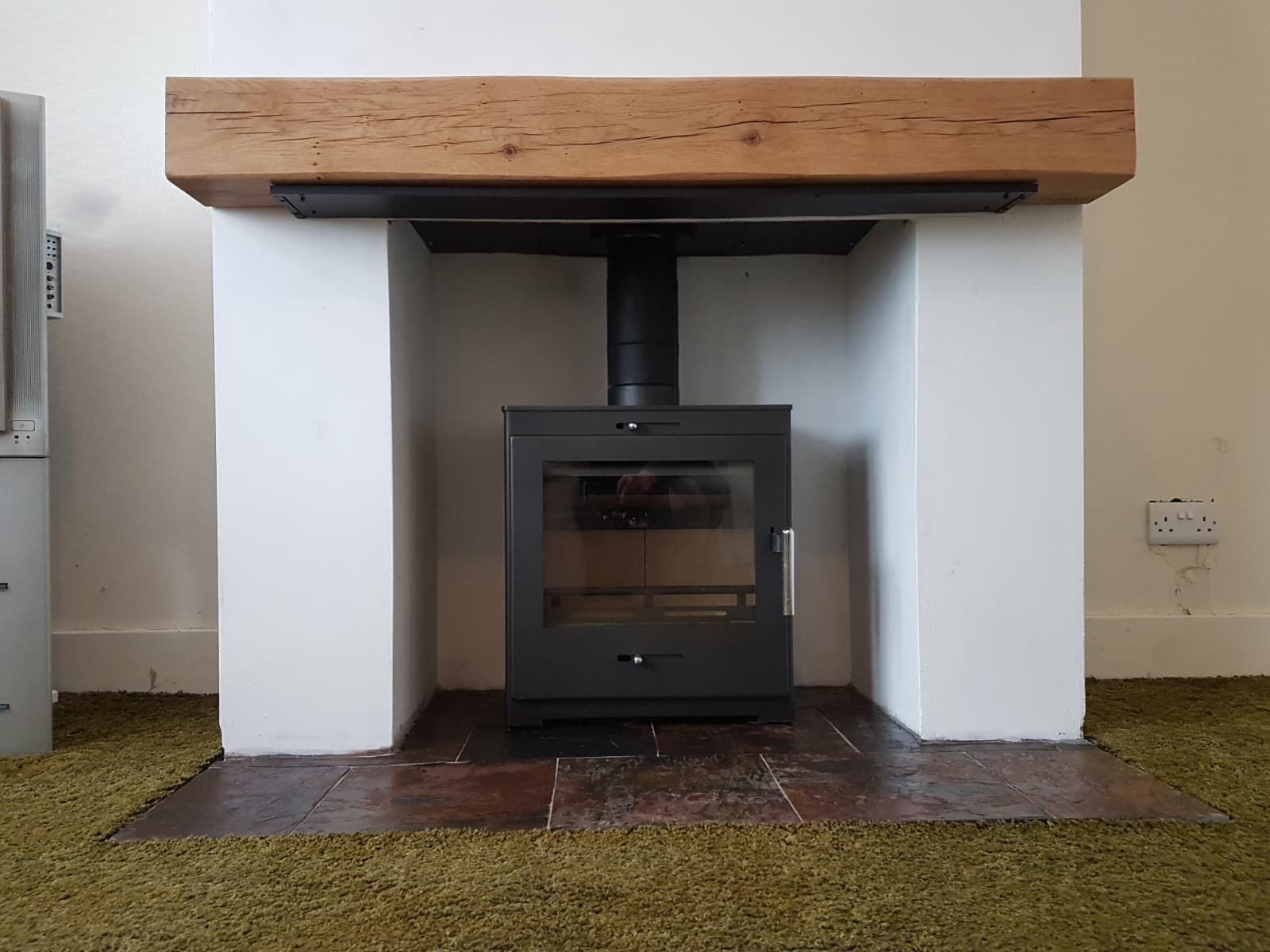
In visual terms, there is often very little difference from the outside. Many wood-burning and multi-fuel stoves share the same body style, door design and finish. The decision is usually more about performance and intended use than appearance.
Where the experience can differ is in the character of the fire. Dedicated wood burners are often chosen by people who want the classic log flame and the ritual of burning wood. That experience is part of the appeal, especially in living rooms, open-plan spaces and renovation projects where atmosphere matters as much as heating.
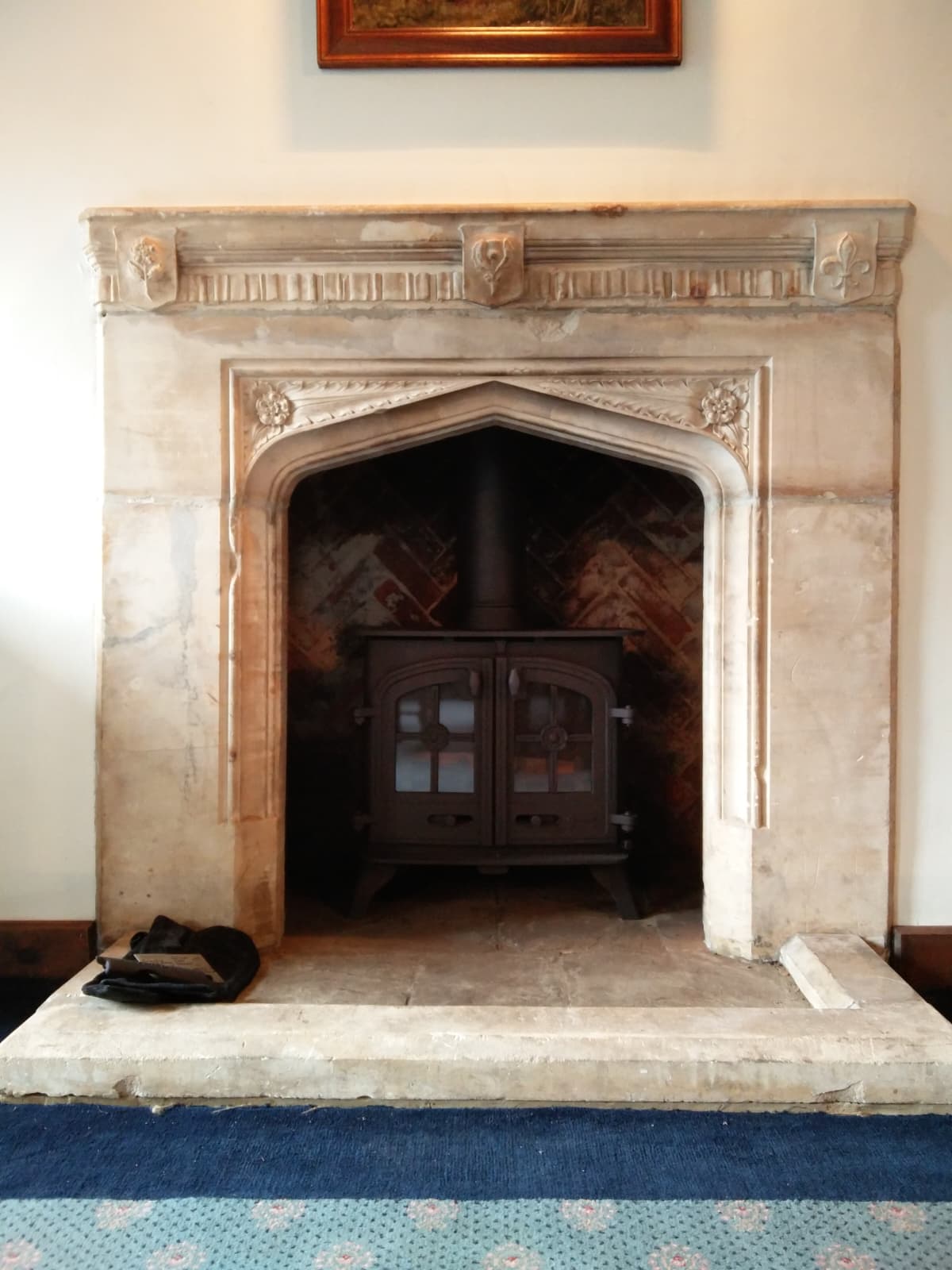
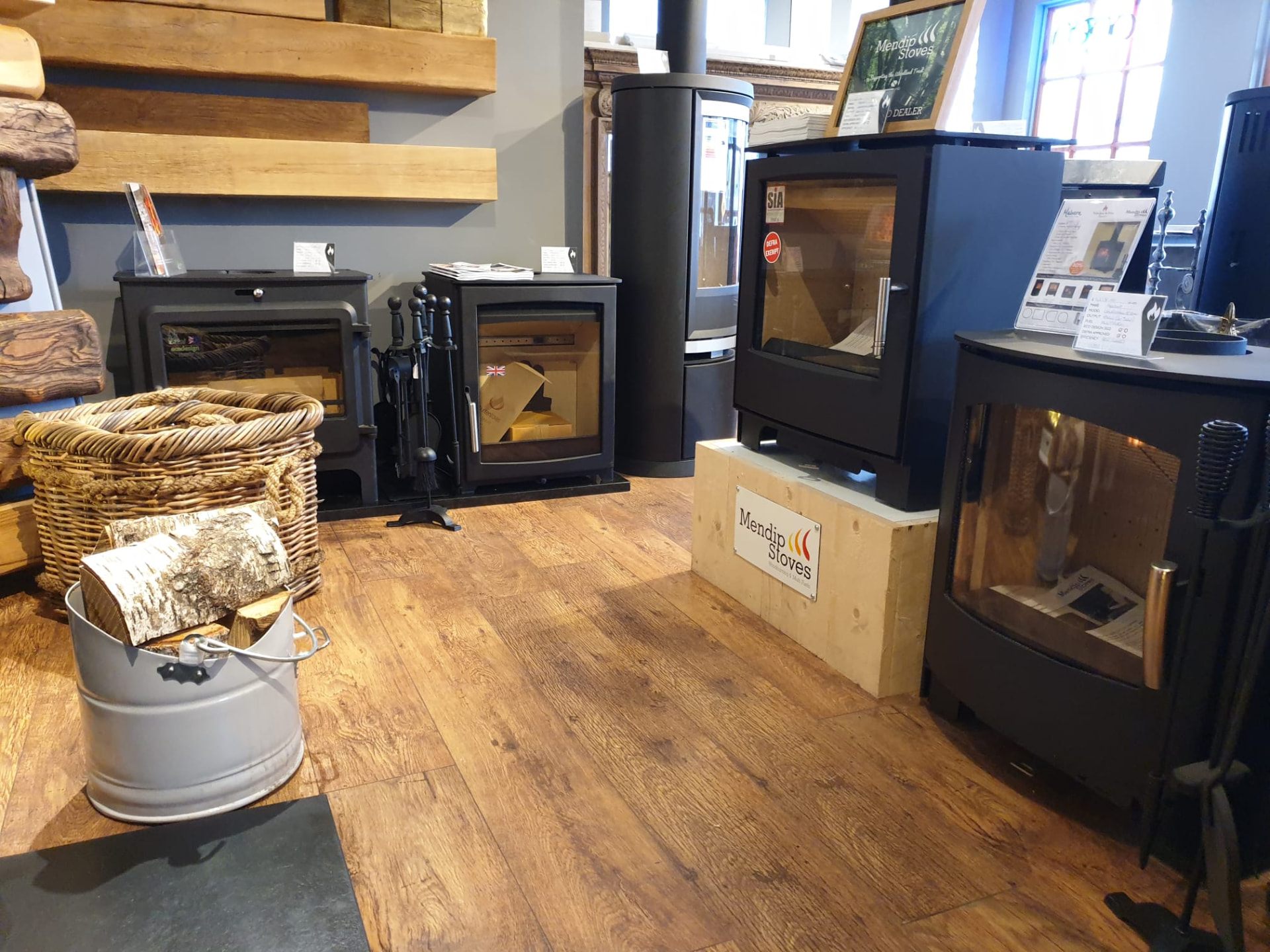
If the stove is going to be a focal point, it is worth visiting a showroom and looking beyond brochure photos. The scale of the stove, the size of the glass and the proportions of the installation can change the whole feel of a room.
Multi fuel vs wood stove: which is right for your home?
If you only want to burn logs and want the stove optimised for that job, a wood-burning stove is often the best answer. It keeps the choice simple and aligns well with households that value a natural flame picture and are happy to store quality wood correctly.
If you want the ability to burn approved smokeless fuel as well as wood, a multi-fuel stove gives you that flexibility. It can be a sensible option where fuel choice may vary over time or where longer-burning fuel use is part of the plan.
Neither option is universally better. The right decision depends on how you want to use the stove, what fuel you can source and store properly, and what your property can accommodate safely.
That is why site-specific advice matters. A professional survey can identify whether your chimney is suitable, whether a liner is required, what heat output is appropriate and which appliance type makes sense for your home. It also helps avoid the common mistake of choosing on appearance alone.
For homeowners in areas such as Windsor, Maidenhead or Ascot, where many properties vary widely in age, layout and chimney condition, that guidance is especially useful. What works well in one home may be completely wrong in another.
A good stove should feel dependable from the first lighting onwards. If you are weighing up multi fuel vs wood stove, the smartest next step is not to chase the most flexible model or the cheapest ticket price. It is to choose the appliance that fits your home properly, burns the fuel you actually plan to use and can be installed with complete confidence.