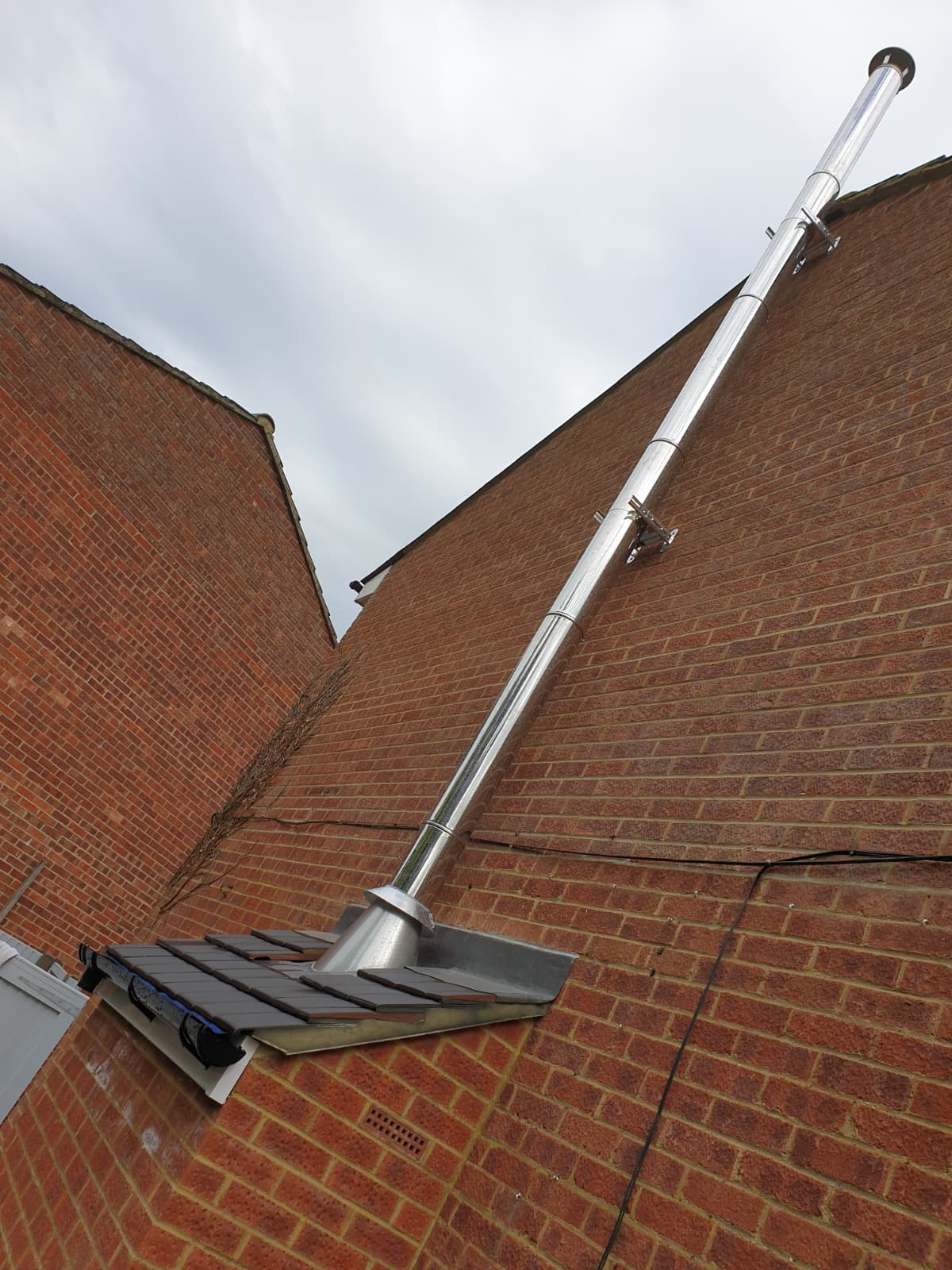
A clear HETAS certification guide for homeowners - what it means, when you need it, how installation works, and why compliant fitting matters.

A stove can look perfect in a showroom and still be the wrong choice for your chimney, your room size or your property layout. That is why a proper HETAS certification guide matters. For most homeowners, HETAS is the point where style, safety and legal compliance come together, and it is often the difference between a smooth installation and expensive corrective work later.

If you are planning a wood burning stove or replacing an older appliance, you do not need to become an expert in building regulations. You do, however, need to understand what HETAS certification is, when it applies, and why it should never be treated as a box-ticking exercise.

What HETAS certification actually means

HETAS is the recognised body for the approval of solid fuel domestic heating appliances, fuels and installers in the UK. In simple terms, when a stove installation is carried out by a HETAS registered installer, the work can be self-certified as compliant with the relevant building regulations.

That matters because solid fuel appliances are not just decorative features. They involve fire, heat transfer, ventilation, flue performance, safe distances to combustible materials and the correct discharge of combustion gases. A stove fitted badly may still light and appear to work, but that does not make it safe.

For a homeowner, HETAS certification is the formal record that the installation has been completed to the required standard. You will usually need that certificate for your house records, for future property sales and, in some cases, for insurance purposes.

Why a HETAS certification guide matters before you buy

Many people only start asking about certification once the stove has arrived. By then, the harder decisions may already have been made. The wrong appliance output, an unsuitable flue route or an unrealistic budget can all become apparent quite late if the process starts with the product rather than the property.

A good HETAS certification guide helps you understand that compliance begins well before installation day. It starts with the site survey. The installer should be assessing the chimney breast, flue condition, hearth, air supply, distances to surrounding materials and whether the chosen appliance is suitable for the room.

This is also where honest advice matters. Sometimes the stove a customer first chooses is too large for the space. Sometimes an inglenook opening creates opportunities, but sometimes it creates constraints. And in some homes, particularly where chimney condition is unknown, further remedial work is needed before a safe installation can go ahead.

When HETAS certification is required

In most domestic stove installations, if you are fitting a solid fuel or wood burning appliance, the work needs to comply with Building Regulations. You can do that in one of two ways. Either the work is signed off through local authority building control, or it is self-certified by a HETAS registered installer.

For most homeowners, using a HETAS approved installer is the more straightforward route. It avoids the need to manage separate building control approval and gives you a clear line of responsibility from survey to commissioning.

That said, certification is not only relevant for brand new stove installations. It can also matter when replacing an appliance, altering the flue system, relining a chimney or making changes to the fireplace opening or hearth arrangement. The details depend on the work being carried out, which is why a proper survey is so important.

What a HETAS installer should check

A compliant installation is made up of several interlocking parts. The stove itself is only one of them.

Appliance suitability

The stove must be suitable for the space it is heating. Oversized appliances are a common problem. They can lead to poor burning habits, low flue temperatures and a less efficient result overall. An undersized stove can leave the room uncomfortable and tempt people to overfire the appliance.

Flue and chimney condition

The flue has to carry smoke and combustion gases away safely and effectively. In many properties, particularly older homes, a flue liner may be required. The existing chimney may look sound from inside the room, but internal defects, poor draw or unsuitable dimensions can all affect performance.

Ventilation

A stove needs adequate air supply. Modern homes that are well sealed can be especially sensitive to ventilation requirements. This is one area where DIY assumptions often go wrong. A room may feel fine to live in, but still not provide the conditions needed for safe stove operation.

Hearth and clearances

The hearth dimensions, construction and placement must meet the relevant standards. Safe distances around the appliance also need to be maintained, particularly near timber beams, surrounds, flooring and soft furnishings.

Commissioning and handover

A proper installation does not end when the stove is physically in place. The system should be tested, commissioned and explained clearly to the homeowner. You should know how to operate it, what fuel to use, and how to maintain it safely.

Common misunderstandings about HETAS certification

One of the most common misconceptions is that buying a HETAS approved stove is the same as having a HETAS certified installation. It is not. A compliant appliance still needs to be installed correctly within a compliant system.

Another misunderstanding is that certification is only about paperwork. In reality, the paperwork is the final output of a process that should include design judgement, technical checks and safe commissioning. If an installer is vague about surveys, flue specification or ventilation, the promise of a certificate at the end should not reassure you.

There is also the question of cost. Some homeowners worry that working with a HETAS installer will always be more expensive. Sometimes the upfront price is higher than using a non-specialist trade, but that is not the same as costing more overall. Correct specification, accurate quoting and compliant fitting reduce the risk of hidden extras, rework and safety issues later.

HETAS certification guide to the installation process

If you want the process to feel straightforward, it helps to know the usual order of events.

HETAS certification guide: from survey to sign-off

It starts with a site survey. This is where the property is assessed properly, rather than estimated from photographs alone. The survey should identify what is possible, what is advisable and what additional works may be required.

Next comes stove selection and quotation. This is where technical advice and fairness in pricing should go hand in hand. A good quotation reflects the real scope of the job, including any flue liner, chimney work, hearth changes or fireplace alterations needed for compliance.

Installation then follows, usually with preparation of the fireplace opening or chamber, fitting of the flue system, appliance connection and final commissioning. Once the installation is complete and compliant, the HETAS certification can be issued.

For homeowners, this joined-up approach is often the simplest route. It reduces the risk of one party supplying a stove that another party later cannot or should not install.

What to ask before you commit

The right questions can save a great deal of uncertainty. Ask whether the installer is HETAS registered, whether a site survey is included, what is covered in the quotation and what might change the price. Ask who is responsible for commissioning, certification and handover.

It is also sensible to ask about servicing and aftercare. A stove is not a fit-and-forget purchase. Regular sweeping, correct fuel use and periodic maintenance all play a part in keeping the installation safe and performing well.

If you are comparing quotes, look carefully at what is actually included. A lower figure is not always better value if it excludes essential items such as a flue liner, register plate, notice plate, commissioning or certification. Like-for-like comparisons are surprisingly rare in this sector.

Choosing a specialist rather than taking chances

For many households, a stove installation is both a practical heating upgrade and a major visual improvement to the room. That combination can tempt people to focus on the appliance style first and the technical side second. In practice, the best results come when both are treated with equal care.

A specialist retailer and installer can usually offer a more reliable process because the design advice, survey findings and fitting requirements are considered together. That tends to produce better appliance choices, clearer quotations and fewer surprises on installation day. For homeowners in areas such as Windsor, Maidenhead and Ascot, where property styles vary from modern homes to older period buildings, that experience can make a real difference.

Windsor and Eton Stoves takes this approach because it is the safest and fairest way to install a stove properly. When the survey is thorough and the installation is carried out by qualified professionals, certification becomes the natural outcome of a job done correctly - not a document you have to chase afterwards.

If you are weighing up a new stove, treat HETAS certification as part of the decision from the very start. The right installation should leave you with more than a beautiful fire to look at. It should leave you with confidence every time you light it.

By Admin

Share:

Just added to your wishlist:
My Wishlist
You've just added this product to the cart:
Go to cart page