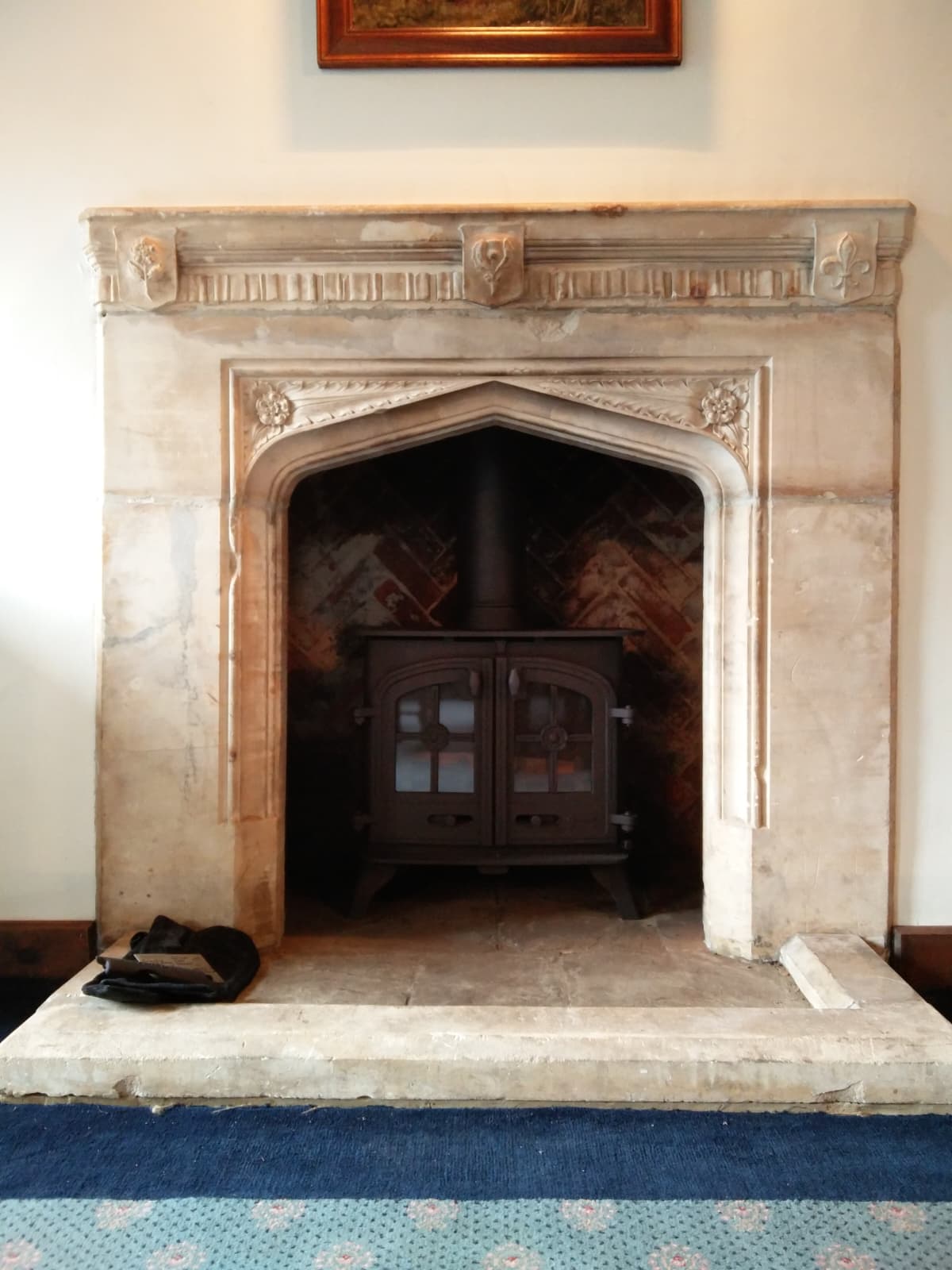
Windsor and Eton are full of listed and conservation-area homes. A stove is usually possible, but consent and sensitivity come first.
A great deal of our work sits in the older streets of Windsor, Eton, Datchet and Bray, where the buildings are listed, in a conservation area, or simply old enough to deserve care. A stove is almost always achievable. The route to it is just slower and more considered.
Consent comes first
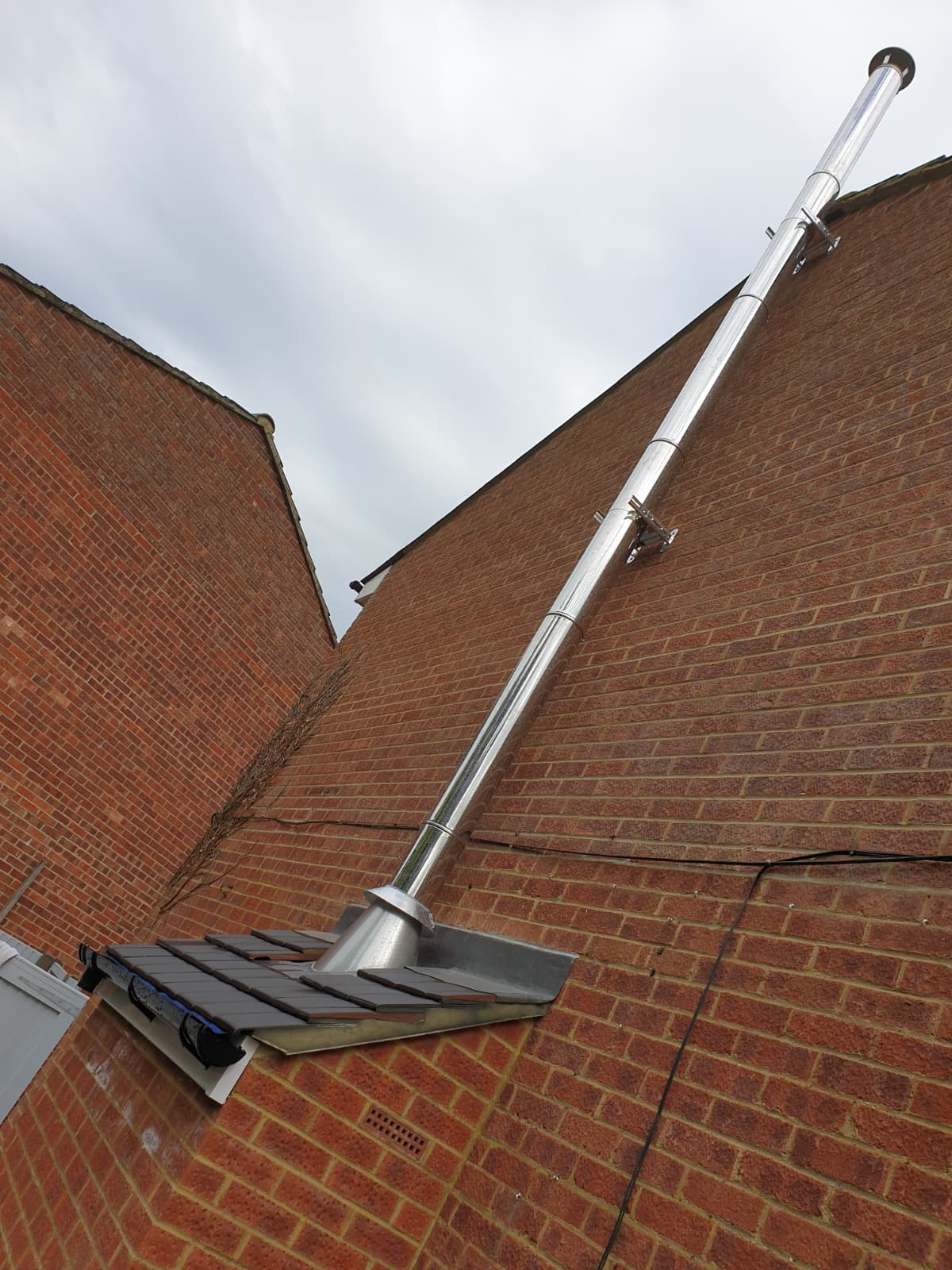
Listed building consent is generally required where the work affects the character of the building: opening up a blocked fireplace, altering a chimney breast or adding an external flue. In a conservation area, an external flue on a street-facing elevation will usually need planning permission.
The responsibility for obtaining consent rests with the homeowner, but we will tell you clearly at survey stage what is likely to be needed and provide drawings and specifications to support an application.
Working with what is already there
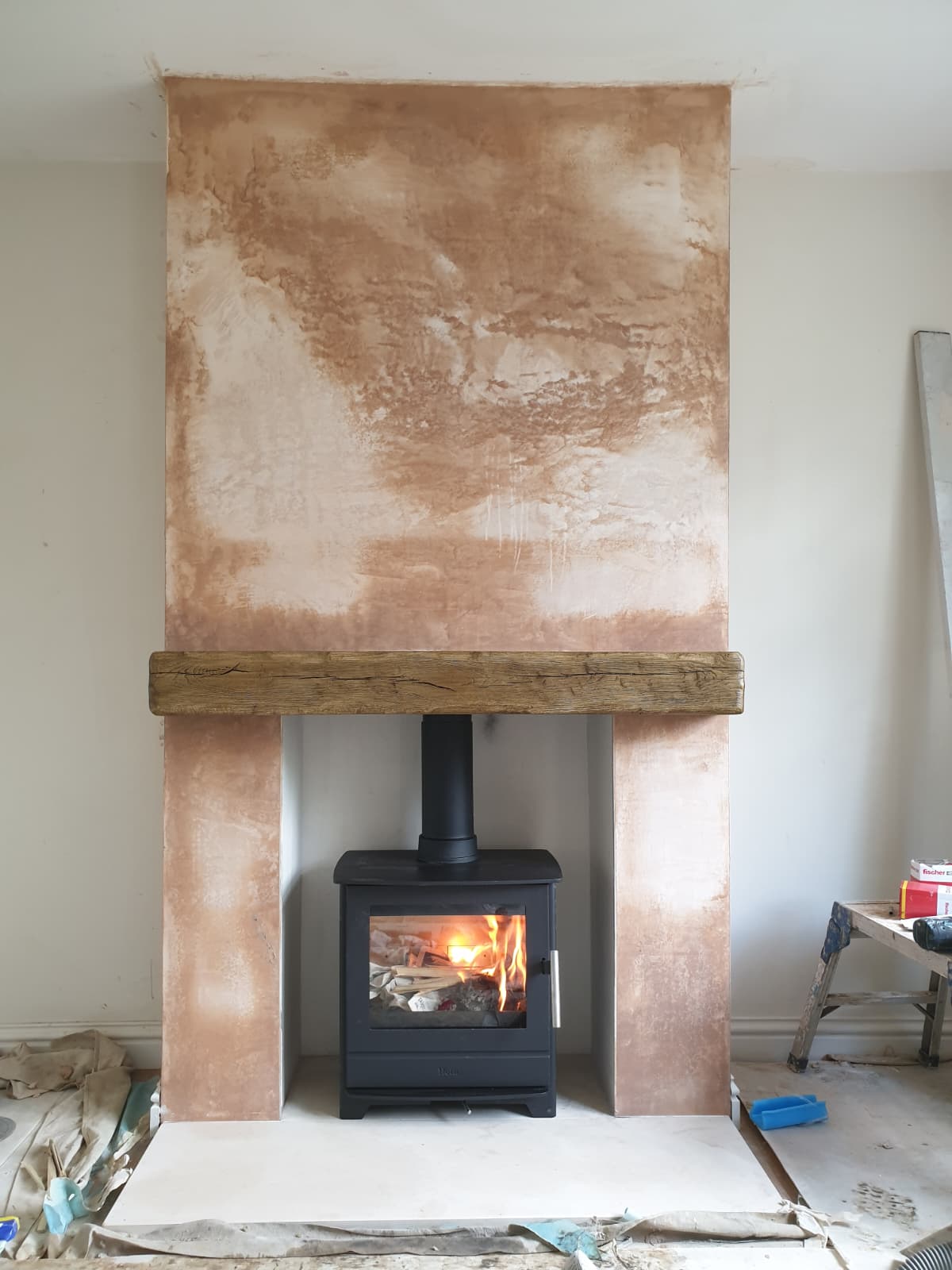
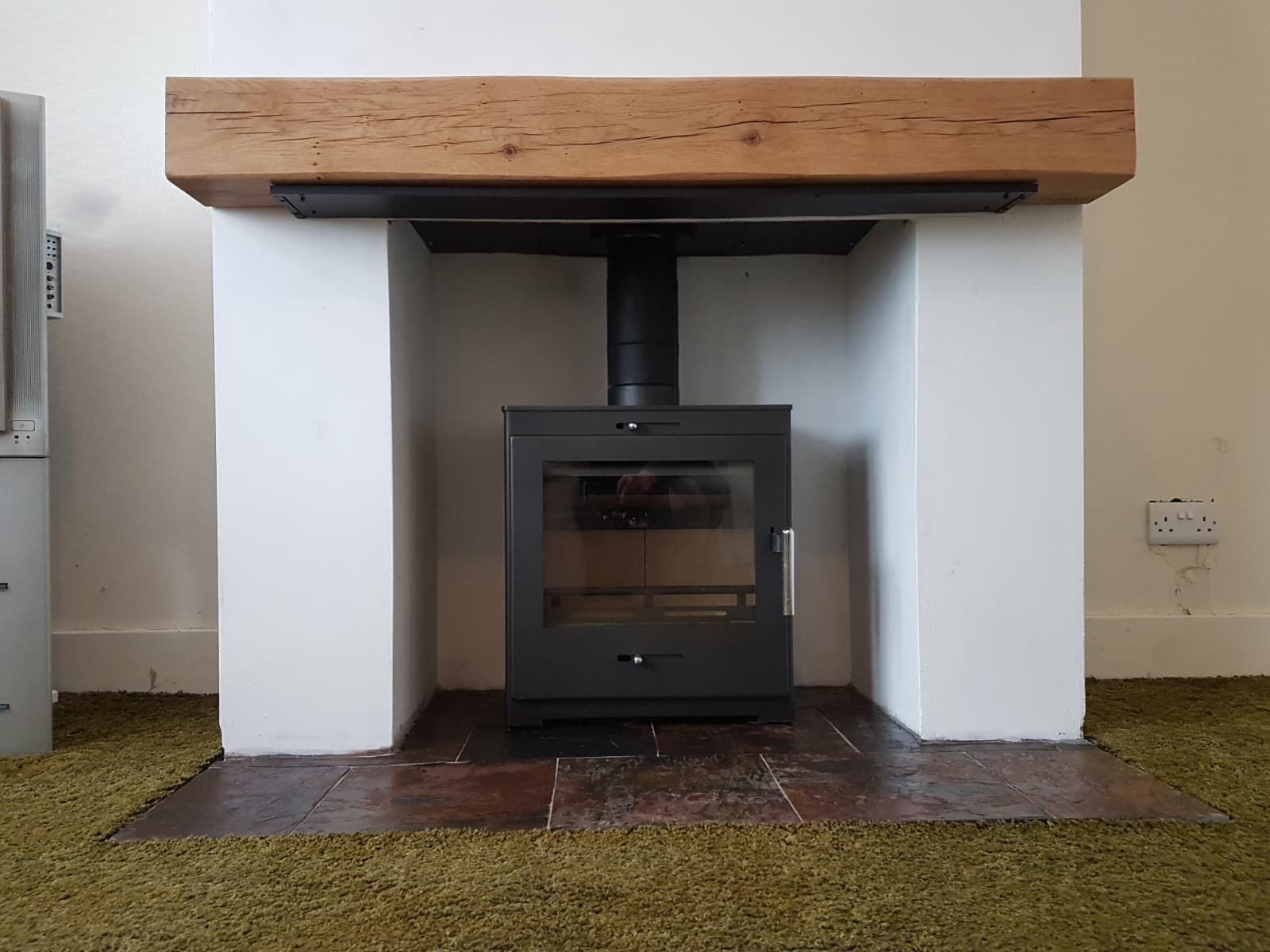
Original inglenooks, bread ovens, cast iron surrounds and stone arches are worth keeping. Wherever the flue and hearth allow, we set the appliance inside the existing opening rather than reconfiguring it.
Older chimneys often need a flexible liner, and older walls often need lime rather than cement. We work to the fabric rather than against it.
Expect a slower survey
Period surveys take longer because there is more to find: parged flues, previous alterations, timber lintels concealed behind plaster. We would rather uncover that on the survey than mid-installation, and our quotation itemises any preparatory work in advance.
Talk it through
Free HETAS survey, fixed written quote.
Our surveyor will measure your chimney, hearth and room, then confirm exactly what your property needs.